
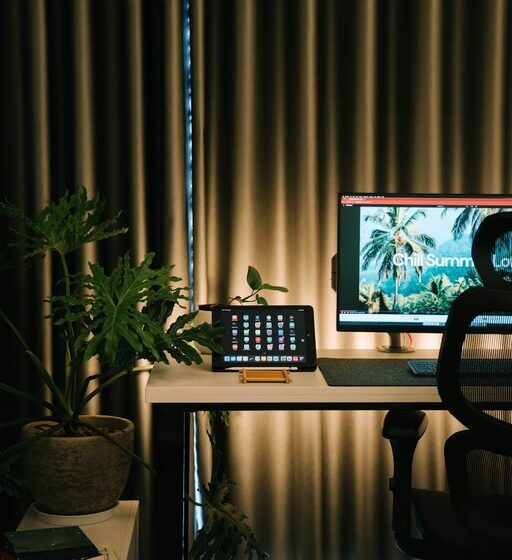

Creating a relaxing home workspace is essential for maintaining productivity and reducing stress during your workday. With many people spending significant time working from home, designing an environment that supports focus and calm can make a big difference. In this post, we’ll explore practical tips to help you set up a home workspace that feels comfortable, motivating, and peaceful.
Why a Relaxing Workspace Matters
Your work environment influences how well you concentrate and manage tasks. A cluttered or uncomfortable space can increase stress and lower efficiency, while a well-organized and inviting area encourages better focus and creativity. By intentionally designing your workspace with relaxation in mind, you create an atmosphere that supports mental clarity and sustained energy.
Choose the Right Location
Selecting the best spot in your home for your workspace is the first step. Ideally, pick a quiet area away from high-traffic zones or distractions. Natural light is a huge plus because it helps regulate your body rhythm and boosts mood. If natural light is limited, ensure your space has good artificial lighting that is soft but bright enough for reading and computer work.
Consider These Location Factors:
– Away from televisions, noisy kitchens, or busy hallways
– Near a window for fresh air and sunlight
– Close to power outlets to keep cables organized
– Enough room for your equipment and some personal touches
Invest in Comfortable Furniture
Ergonomic furniture is key to comfort and productivity. A good office chair with back support helps you maintain good posture and avoid strain during long work hours. A desk at the right height prevents shoulder and wrist discomfort. If possible, use an adjustable desk so you can alternate between sitting and standing positions.
Declutter and Organize
A clean and orderly workspace promotes a clear mind. Keep only essential items on your desk and find designated spots for everything else. Use organizers or storage boxes to keep supplies tidy. Digital clutter is important too—organize your computer desktop and files regularly to minimize distractions.
Tips for Organization:
– Use cable ties or clips to manage cords
– Label storage containers for easy access
– Keep a small trash bin nearby to avoid buildup
– Set a weekly routine to tidy your workspace
Add Calming Elements
To boost relaxation, incorporate elements that create a soothing atmosphere. Plants add life and improve indoor air quality, while soft textures like a cozy rug or cushion provide comfort. Personalize your space with items that inspire you but aren’t overwhelming. Consider calming scents through candles or essential oil diffusers, but be mindful of allergies or sensitivities.
Control Noise Levels
Noise can be a major distraction when working at home. Use noise-canceling headphones or play soft background music if that helps you focus. Alternatively, a white noise machine or fan can mask disruptive sounds. If possible, add rugs and curtains that absorb sound to reduce echo and outside noise.
Maintain Good Air Quality
Fresh air keeps your mind sharp. Open windows when weather permits to circulate air or use an air purifier. Avoid working in spaces with strong cooking odors or poor ventilation.
Set a Routine and Boundaries
Even the best workspace won’t guarantee productivity without good habits. Set regular work hours and take planned breaks to avoid burnout. Designate your workspace as a “work-only” zone if possible, so your brain associates the area with focus.
Use Technology Wisely
Leverage technology tools that enhance your workflow without adding stress. Apps for time management, task lists, and focus timers can support productivity. Make sure your equipment is reliable and set up ergonomically to avoid frustration.
Personalize Without Overdoing It
Your workspace should feel welcoming but not cluttered. Choose a few decor items or inspirational quotes that motivate you. Rotate decorations occasionally to keep the environment fresh and engaging.
Final Thoughts
Creating a relaxing home workspace is about balancing comfort, functionality, and aesthetics. By paying attention to lighting, furniture, organization, and personal touches, you set yourself up for a productive and enjoyable workday. Take your time to experiment with what works best for you and adjust your setup as your needs evolve.
—
By following these tips, you can build a home workspace that not only supports your tasks but also promotes relaxation and well-being throughout the day.