
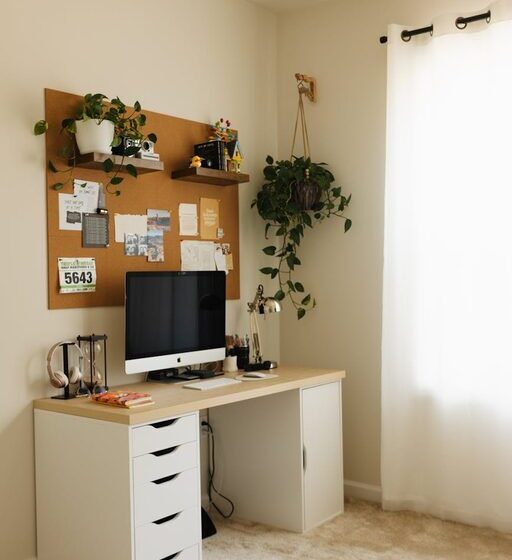

Creating a calming and comfortable workspace at home is essential for maintaining focus and boosting productivity. Whether you work remotely full-time or occasionally handle tasks from home, a well-designed workspace can help reduce stress and make your workday more enjoyable. Here are some practical tips to create a relaxing home workspace that supports your productivity.
Choose the Right Location
The first step is selecting a space in your home that can be dedicated to work. Ideally, it should be a quiet area with minimal distractions. A spare room, a quiet corner, or even a section of your living room can work well. If possible, avoid working in your bedroom, as this can blur the lines between rest and work, making it harder to relax or sleep.
Prioritize Natural Light
Natural light has many benefits, including improving mood, reducing eye strain, and helping to regulate your sleep cycle. Position your desk near a window to take advantage of daylight. If natural light is limited, choose soft, warm artificial lighting to create a gentle and inviting atmosphere rather than harsh fluorescent bulbs that can lead to fatigue.
Invest in Ergonomic Furniture
Comfortable and supportive furniture is vital for maintaining physical well-being during long work hours. An ergonomic chair that supports your back and encourages proper posture can reduce discomfort. Similarly, a desk at the right height will help prevent strain on your wrists and shoulders. Adjustable chairs and desks provide flexibility to suit your preferences.
Keep Your Workspace Organized
A cluttered desk can lead to a cluttered mind. Make it a habit to keep your workspace tidy by minimizing unnecessary items. Use organizers, shelves, and storage bins to keep materials and supplies in order. When everything has a designated place, it’s easier to focus and find what you need quickly.
Incorporate Relaxing Elements
Adding calming elements to your workspace can help reduce stress and make your work environment inviting. Consider adding plants, which improve air quality and create a connection to nature. Soft textiles like a cozy rug or cushions can add warmth. Essential oil diffusers or subtle scents, such as lavender or eucalyptus, may promote relaxation.
Manage Noise Levels
Background noise can be distracting or stressful depending on your preferences. If your home tends to be noisy, consider using noise-canceling headphones or playing soft instrumental music or white noise to help maintain concentration. Conversely, if you prefer silence, arranging your workspace in a quieter area can be beneficial.
Personalize Your Space
Personal touches make your workspace feel welcoming and motivating. Display photos, artwork, or inspirational quotes that encourage positivity. However, avoid overcrowding your desk with too many personal items, which can become distracting. Balance is key to maintaining a professional yet comfortable atmosphere.
Establish Boundaries and Routines
A relaxing workspace goes hand in hand with clear routines and boundaries. Set specific working hours and communicate them with family members to minimize interruptions. At the start of your day, take a few moments to organize your desk and plan your tasks. At the end of the day, tidy your space and switch off devices as a signal to yourself that work time has ended.
Optimize Technology Setup
Having a reliable and efficient technology setup is crucial for productivity. Ensure your computer, internet connection, and other devices function well. Arrange cables neatly to avoid clutter and frustration. Consider using a separate monitor if you work on a laptop to reduce neck strain and increase screen space.
Take Regular Breaks and Move
Sitting for long periods can affect both your physical and mental health. Incorporate short breaks into your routine to stretch, walk around, or perform gentle exercises. This helps refresh your mind and reduce fatigue, allowing you to return to work feeling more focused and energized.
Keep Your Workspace Clean and Fresh
Regular cleaning is important to maintain a healthy and pleasant work environment. Dust surfaces, wipe down electronics, and vacuum rugs frequently. Opening a window occasionally for fresh air can revitalize your space and prevent stuffiness.
—
By following these tips, you can create a relaxing and effective home workspace that supports your productivity while promoting comfort and well-being. Remember that everyone’s ideal workspace may look different, so feel free to customize and experiment until you find what works best for you. Your home workspace should be a place where you feel focused, comfortable, and ready to tackle the day’s tasks with ease.