
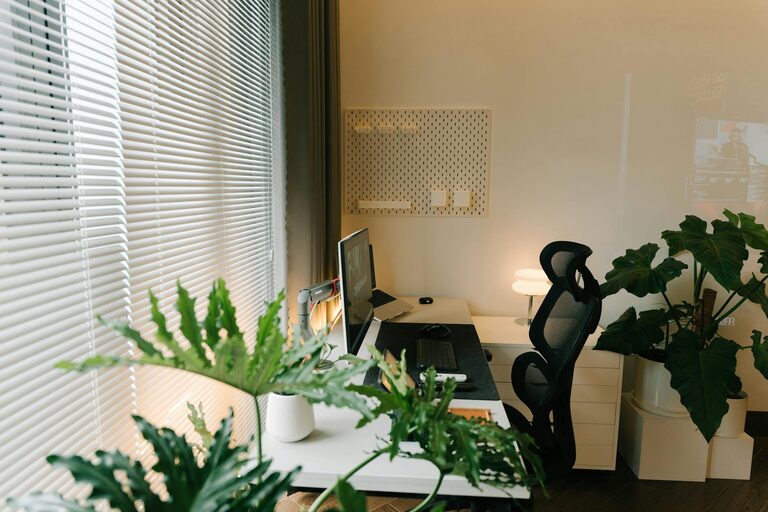

Creating a relaxing home workspace is essential for staying productive and feeling good throughout your workday. Whether you work remotely full-time, occasionally check emails from home, or have a dedicated area for personal projects, a well-designed environment can make a big difference. Here are practical tips to help you set up a workspace that supports focus, reduces stress, and improves your overall well-being.
Choose the Right Location
Selecting the best spot in your home for your workspace is the first step. Ideally, pick a quiet area away from distractions like high-traffic rooms and noisy appliances. If you don’t have a separate room, consider using a partition or screen to create a sense of separation.
Prioritize Natural Light
Natural light plays a crucial role in mood and alertness. Position your desk near a window if possible, allowing sunlight to brighten your space during the day. If natural light is limited, invest in daylight-simulating bulbs that help mimic natural sunshine, boosting energy and reducing eye strain.
Invest in Comfortable Furniture
Comfort is key to maintaining focus and avoiding fatigue. Choose an ergonomic chair that supports your posture and a desk at the right height to prevent strain on your back, neck, and wrists. Adjustable furniture allows you to find the perfect setup tailored to your body.
Keep Your Workspace Organized
Clutter can increase stress and distract your mind. Use organizers, shelves, and storage boxes to keep your supplies neat and within reach. Regularly decluttering your workspace helps maintain a calm environment and keeps you focused on your tasks.
Add Personal Touches
Incorporate elements that make you feel relaxed and inspired. A few favorite photos, a small plant, or artwork that you love can personalize your workspace without causing distraction. Natural elements like greenery have been shown to reduce stress and improve concentration.
Use Calming Colors
The colors in your workspace can affect your mood and productivity. Soft, neutral hues like light blues, greens, or warm grays create a soothing atmosphere. Avoid overly bright or bold colors that might be too stimulating or tiring over time.
Manage Noise Levels
Background noise can either distract or soothe, depending on your preference. If complete silence is difficult, consider white noise machines, soft instrumental music, or noise-canceling headphones to help you focus better.
Incorporate Movement Breaks
Sitting for long hours isn’t good for your body or mind. Design your workspace so you can easily stand up, stretch, or take short walks. A sit-stand desk or a timer reminding you to move can greatly benefit your physical and mental health.
Maintain Good Air Quality
Fresh air is vital for clear thinking and energy. Open windows regularly to circulate air, or use an air purifier if outside air quality is poor. Houseplants can also improve air quality while adding a touch of nature to your space.
Set Boundaries and a Routine
To keep your work-life balance in check, clearly define your work hours and stick to them. Communicate your schedule to others in your home to minimize interruptions. Establishing a start-up and closing routine helps your brain associate your workspace with productivity and rest.
Use Technology Wisely
Technology can enhance or hinder your workflow. Keep your devices organized and ensure your internet connection is reliable. Use apps and tools that promote focus and limit distractions, such as task managers and website blockers.
Final Thoughts
A relaxing home workspace is not about creating a perfect setup but rather building an environment that suits your needs and supports your well-being. By choosing the right location, prioritizing comfort, organizing thoughtfully, and adding personal and calming touches, you can boost your productivity and enjoy a more balanced work-from-home experience. Remember, small changes can lead to big improvements in how you feel and perform during your workday.